A Different Approach to Learning
+10 Years of Teaching Experience
This approach has been developed through more than ten years of teaching experience and continues to evolve through ongoing research and practice. In recent years, it has been enriched by principles drawn from Somatic Education, integrating a deeper understanding of perception, coordination, and embodied learning into the study of the cello.
-
Lessons are available both in-person and online, offering flexibility without compromising depth or quality. In-person sessions allow for direct physical guidance and nuanced observation of technique and posture, while online lessons provide accessible, focused support regardless of location.
-
Lessons are adapted to each student’s individual goals, background, and way of learning—whether preparing for conservatory auditions, developing a professional artistic practice, or playing the cello as an amateur with curiosity and enjoyment.
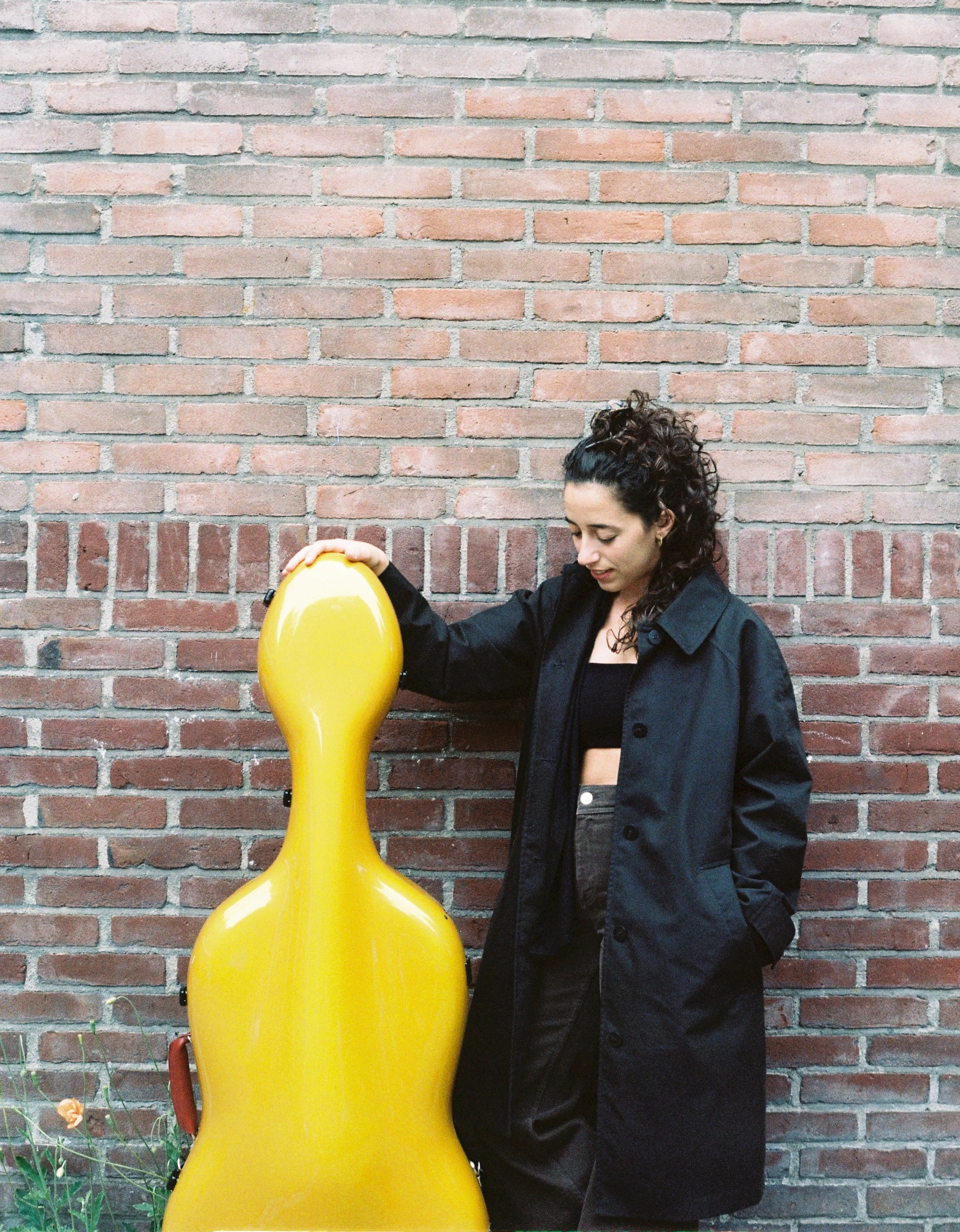
The Method
I.
Structure.
I believe in a good foundation. It provides a steady ground from which your path with the cello will grow.
Learning the cello is not only about playing notes or learning pieces. It is about building a structure that supports the player at every stage of their development. When your posture, balance, bow technique, left-hand coordination, listening, and musical understanding are introduced in a clear and thoughtful way, you gain tools you can rely on.
A good foundation: each element having its place, and each new skill should grow naturally from what has come before. A good method gives you a way of understanding how everything is connected — starting with your body-cello relationship.
My aim is to build this structure progressively. We will draw exercises and études from different sources, so your learning becomes more intuitive, and the cello a means of free musical expression.
II.
Our most important goal: to keep enjoying what we do.
Learning an instrument should be more than following instructions and trying to get things right. There should be space to wonder, to experiment, to make discoveries, and sometimes simply to play.
Curiosity is a powerful teacher — and I got to truly learn this thanks to somatic education. When you face questions as a student — What happens if I try this? What does this sound like? Can I make it different? — you begin to listen, observe, experiment, and find your own solutions.
Motivation.
Exploration also means allowing room for mistakes — an invitation to listen more closely and to try again. We will slowly build independence and confidence, so essential to lead your own practice time.
I believe that, within structure, there should always be freedom to explore. A foundation provides security, but playfulness gives you the space to discover what is still uncovered.
III.
Adaptability.
My method is not about providing a rigid set of rules or a fixed way to work with a student. Each student brings their own body, personality, experiences, interests, strengths, challenges, and way of understanding. My teaching approach begins by recognising and responding to these differences.
This means that the same goal may require different paths. One student may need more time, another may need a different explanation, a physical approach, an image, a sound, or the freedom and space to discover something for themselves.
An important pillar of my teaching (in cello, in Yoga, or Somatic Education) is to see the person that I have in front of me. We will work on discovering the tools to observe, listen, and respond.

Feedback From Students
Info & Fees
Private Lesson - Beginner
This format of lesson provides a focused and engaging introduction to the cello while supporting steady technical and musical development. Lessons are adapted to each student's age, experience, and individual pace of learning.
30 minutes | €35 excl. VAT
Private Lesson - Intermediate
45 minutes or 1 hour | from €50 excl. VATSuitable for intermediate and advanced students, as well as committed beginners seeking a more in-depth approach. The extended format allows time to explore technique, repertoire and musical interpretation in greater detail. Each lesson tailored to the individual student's needs and goals.
Duo Lesson
45 mins or 1 hour | from €65 excl. VATSuitable for beginners or intermediate students. A space dedicated to exploration and fun, building skills like active listening while focusing on a proper technique. The repertoire will vary - from more classical pieces, to modern pieces including styles like jazz, rock or funk.
Frequently Asked Questions
-
Lessons are based on a structured and progressive method, while remaining fully adapted to your individual needs and goals. Depending on your level, I recommend specific studies, repertoire, and cello methods that support your development in a clear and focused way. I normally work with a specific method plus selected pieces tailored to each student’s level.
A central part of the work is learning how to practice effectively. We go in depth into how to approach technical challenges, how to structure your practice time, and how to develop awareness while you play.
-
Definitely. I teach children and adapt my method to their age, attention span, and way of learning. In most of cases I would recommend start with a 30-minute lesson.
The lessons for children combine a structured technical foundation with playful and engaging ways of practicing, so that learning remains both effective and enjoyable.
-
Yes. In this case, we would work with a very detailed and structured preparation plan tailored to the specific audition requirements, repertoire, and technical level.
What is essential from the student is a high level of motivation, consistency, and a willingness to invest energy and time into the process. Successful preparation depends not only on what we work on in lessons, but also on how you engage with your daily practice between sessions.
-
You don’t need prior experience to start lessons, but you will need your own cello (rented or owned). If you are unsure about this, I can guide you through the process and provide contact details for reliable luthiers and rental options around.
-
Yes. You don’t need prior experience—what matters most is motivation and some energy during the week.
I currently work with several adult students who began alongside full-time jobs and busy lives and have been developing their cello playing steadily over the years. Learning the cello as an adult can result in an entirely new world to enter, explore, and be sustained by. My oldest student is 85 y/o and started last year!